
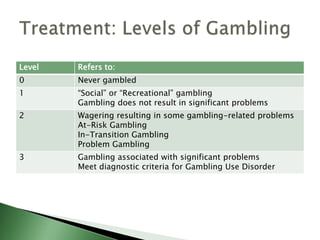
Problem gambling is no longer confined to the physical casino floor. With the proliferation of mobile betting apps, loot boxes, crypto-based wagering platforms, and 24/7 online poker rooms, the behavioral signals of gambling disorder have become both more subtle and more pervasive. Technology has removed friction from wagering, which means problematic patterns can escalate faster than ever before. For product teams, trust and safety professionals, and even concerned individuals, recognizing these behaviors early is a critical competency. This guide provides a structured, evidence-informed approach to identifying problem gambling behaviors, with an emphasis on the digital indicators that modern platforms generate.
Why Early Recognition Matters in the Digital Era
The World Health Organization and the American Psychiatric Association classify gambling disorder as a legitimate behavioral addiction, with diagnostic criteria that parallel substance use disorders. In digital environments, the velocity of harm is accelerated by several factors:
- Instant access: Mobile apps enable wagering within seconds, removing the natural cooling-off periods of physical travel.
- Algorithmic personalization: Recommendation engines and bonus prompts can intensify engagement for at-risk users.
- Cashless transactions: In-app purchases and stored payment methods reduce the psychological weight of spending.
- Anonymity: Users can conceal their activity from family and employers more easily than in brick-and-mortar settings.
The result is a shorter runway from recreational play to dependence. Recognizing the behavioral markers early is not merely a compliance obligation; it is a product safety and user well-being imperative.
Core Behavioral Indicators to Monitor
Clinical screening tools such as the Problem Gambling Severity Index (PGSI) and the DSM-5 criteria offer a validated foundation. From these, several observable behaviors translate well into digital signal detection.
1. Loss of Control Over Time and Money
The most reliable early indicator is a user’s inability to cap their engagement. In a digital context, this appears as:
- Session durations that routinely exceed self-imposed limits
- Repeated deposit attempts after hitting a daily or weekly threshold
- Late-night activity patterns that disrupt sleep and work
- Frequent use of “undo” or “reverse withdrawal” features to keep funds in play
2. Chasing Losses
Chasing—increasing bet size or frequency to recover previous losses—is a hallmark of problem gambling. Tech platforms can detect this through:
3. Preoccupation and Salience
When gambling moves from an activity to a cognitive obsession, behavioral traces emerge in usage data:
- Checking odds, balances, or live scores compulsively throughout the day
- Opening the app during work hours, family events, or driving
- Persistent notifications enabled despite repeated “do not disturb” settings
- Search queries and in-app navigation focused on betting strategy or “systems”
4. Concealment and Deception
Problem gamblers often hide their behavior. Digital red flags include:
- Multiple accounts created to circumvent limits or self-exclusion
- Use of prepaid cards, crypto wallets, or third-party payment processors to obscure spending
- VPN usage to bypass geo-restrictions or account bans
- Deleting transaction histories or using private browsing modes exclusively
5. Financial and Emotional Consequences
The downstream effects are often the most visible to external observers:
- Borrowing money, maxing credit lines, or liquidating assets
- Neglecting bills, rent, or dependents’ needs
- Irritability, anxiety, or depression when unable to gamble
- Failed attempts to cut back or stop entirely
A Practical Detection Matrix for Digital Platforms
The following table maps observable behaviors to potential data signals and recommended intervention tiers. It is intended as a reference framework, not a diagnostic tool.
| Time escalation | Session length trending upward over 14 days | Moderate | In-app time reminder |
| Chasing losses | Stake increase >200% within 10 minutes of a loss | High | Mandatory cool-off prompt |
| Concealment | Multiple accounts linked to one device fingerprint | High | Manual review and limit enforcement |
| Financial strain | Failed deposit attempts followed by successful high-value deposits | Severe | Immediate outreach and resource referral |
| Preoccupation | App opens >40 times per day with short sessions | Moderate | Personalized usage summary |
From Recognition to Responsible Intervention
Detection without action is insufficient. Effective programs combine automated monitoring with human oversight and clear user-facing resources. Best practices include:
Recognition is the first step in a continuum of care. By combining validated clinical criteria with modern data signals, technology companies and concerned individuals can identify problem gambling behaviors earlier, intervene more effectively, and reduce the substantial harm associated with this disorder.