
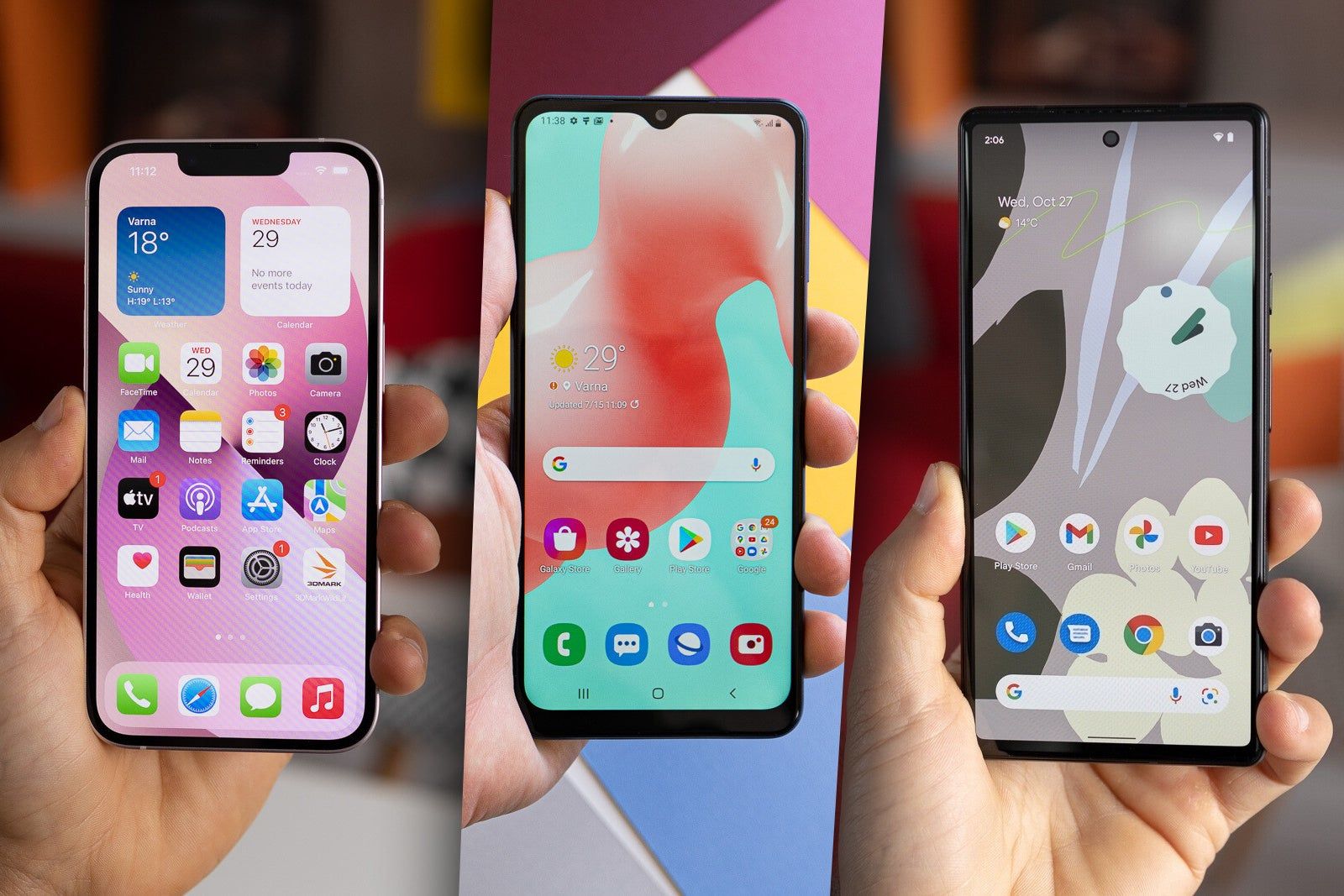
The casino industry, once defined by cavernous floors of neon lights, ringing slot machines, and the clatter of chips on felt tables, is undergoing a structural transformation. The agent of that change is not a new game or a regulatory shift, but the smartphone in nearly every adult’s pocket. Mobile technology has rewritten the rules of access, engagement, and operational design across the global gaming sector. What follows is an analysis of the forces at work and the implications for operators, players, and the broader technology ecosystem.
From Destination to Device: The Shift in Access
For most of the twentieth century, gambling required physical presence. A player had to travel to a licensed venue, comply with local age and identity checks, and interact with staff or machines on-site. Mobile technology dismantled that requirement.
Contemporary smartphones deliver the full casino experience through native applications and browser-based platforms. Players can wager on blackjack, poker, roulette, or thousands of slot titles from a train seat, a living room, or a hotel balcony. The practical consequence is that the addressable market for any licensed operator is no longer constrained by geography or foot traffic.
This shift has produced a measurable change in player behavior:
- Shorter, more frequent sessions replace the multi-hour visits typical of land-based venues.
- Impulse engagement rises, because the friction between intention and action has effectively disappeared.
- Cross-device continuity allows a player to begin a session on a tablet and finish it on a phone without losing state.
The strategic implication is clear: operators now compete for attention in the same digital spaces as social media, streaming services, and messaging apps, not merely against the casino down the road.
The Technology Stack Behind the Mobile Casino
The mobile casino experience is not a simplified version of a desktop product. It is a distinct technical architecture that combines several disciplines.
| HTML5 and WebGL | Cross-platform rendering of games without downloads | Instant play, consistent performance across devices |
| Native and hybrid apps | Deeper hardware integration and push notifications | Faster load times, personalized alerts, offline access to account data |
| Cloud infrastructure | Scalable game hosting and real-time state management | Reliable sessions during peak traffic and live-dealer play |
| Biometric authentication | Fingerprint and facial recognition for login and payments | Reduced friction, stronger account security |
| AI and machine learning | Personalization, fraud detection, responsible gaming monitoring | Tailored promotions, faster withdrawals, earlier intervention on risky behavior |
Each layer contributes to a single outcome: a casino experience that feels immediate, personal, and always available. The technical sophistication required to deliver that experience has turned casino operators into de facto technology companies.
Live Dealer Games and the Blurring of Physical and Digital
One of the most significant developments in mobile gaming is the maturation of live dealer technology. Streaming video, low-latency networks, and multi-camera studios now allow a player on a phone to interact with a human dealer at a real table in real time.
This development matters for two reasons. First, it preserves the social and psychological elements that many players associate with land-based gambling, which pure RNG games cannot replicate. Second, it creates a bridge between the physical and digital casino economies. Operators can use live dealer products to convert mobile players into future visitors, and to extend the reach of their branded tables beyond the walls of a single property.
The competitive dynamic is straightforward:
Payments, Identity, and the Regulatory Response
Mobile technology has also transformed the financial and compliance layer of casino operations. Digital wallets, instant bank transfers, and cryptocurrency rails allow deposits and withdrawals in seconds. Biometric verification and document-scanning technology streamline Know Your Customer processes that once required a visit to a cashier’s cage.
Regulators have responded with frameworks designed for the mobile era. Licensing regimes increasingly require geo-location verification, real-time data reporting, and integrated responsible gaming tools. In mature markets, mobile gambling is now subject to the same oversight as land-based operations, often with stricter technical standards because of the ease of access.
For operators, compliance is no longer a back-office function. It is a product feature. The platforms that embed identity verification, spending limits, and self-exclusion tools most elegantly tend to convert and retain players more effectively than those that treat compliance as an obstacle.
Personalization and the Data Economy
Every tap, spin, and bet on a mobile device generates data. That data fuels recommendation engines, dynamic bonus offers, and predictive models that anticipate churn before it happens. The result is a casino experience calibrated to the individual rather than the average.
This personalization carries obligations. Responsible gaming systems use the same behavioral signals to detect problematic patterns and intervene. The balance between engagement and protection is one of the defining ethical and commercial challenges of the mobile era, and it will shape regulation and product design for years to come.
What Comes Next
The next wave of change is already visible. Augmented reality overlays, voice-controlled betting, and tighter integration with wearable devices are moving from concept to deployment. 5G networks reduce latency further, enabling richer live-dealer and multiplayer experiences on the move.
What will not change is the underlying logic: mobile technology lowers barriers, increases frequency, and forces every operator to compete on user experience. The casinos that thrive will be those that treat the smartphone not as a channel, but as the primary stage on which the entire gaming experience is performed.